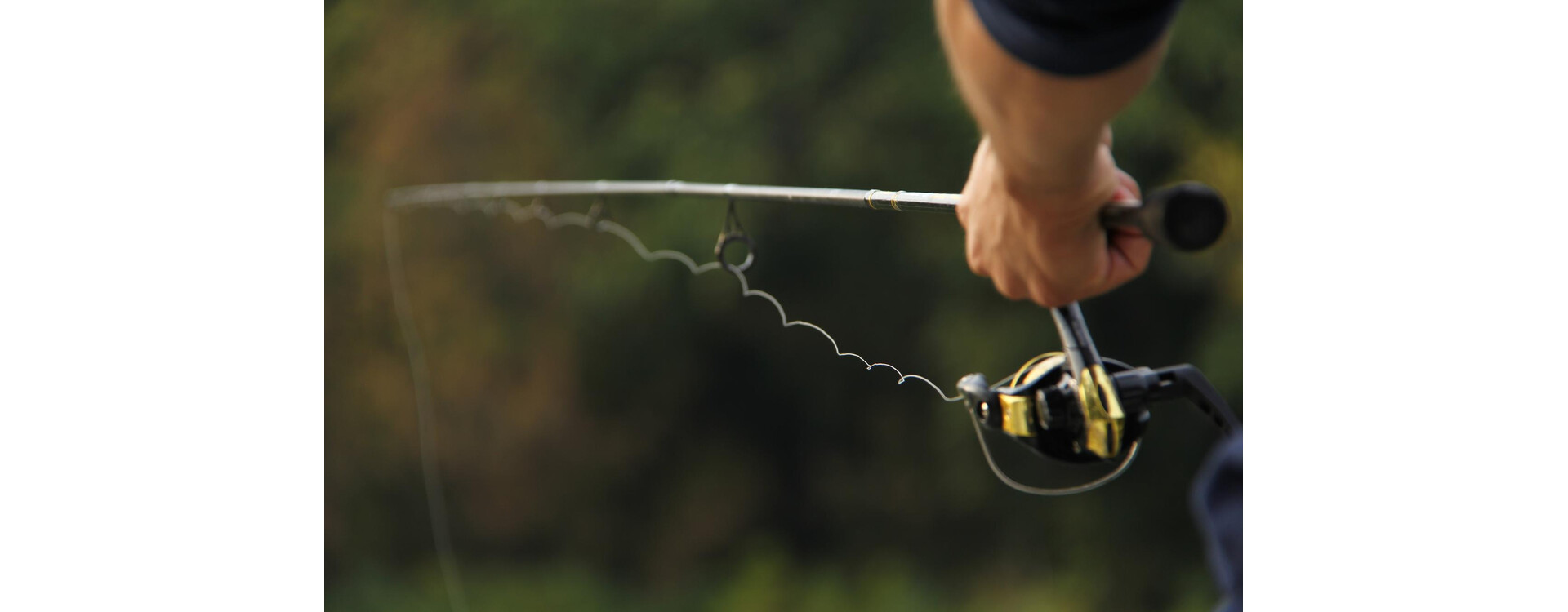
Many anglers wonder how to match a reel to a rod to create the perfect setup. This question arises both among beginners just taking their first steps on the water and among more experienced anglers seeking to improve their equipment. Choosing isn't easy, as there are so many types and models available on the market. However, understanding the basic principles and matching the reel to your fishing style will ensure your equipment works harmoniously and yields better results. How to choose a reel for your fishing rod – why is it so important? Choosing the right reel isn't just about comfort, but also fishing efficiency. A poorly chosen model can make casting difficult, cause hand fatigue, and even lead to unnecessary lure losses or fish breakups. When considering how to match a reel to a fishing rod, it's worth remembering that the balance of the entire setup is crucial . The rod and reel must form a single unit – only then will every cast be precise and the landing process smooth. Comfort is also crucial. A light and well-balanced reel will make long hours of fishing a pleasure, not a chore. Furthermore, the right choice impacts the durability of the setup – a properly selected reel protects the blank from stress, translating into a longer rod life. How to choose a reel? Parameters and their importance When considering how to choose a reel, it's important to pay attention to several technical parameters, which in practice have a huge impact on the comfort and effectiveness of fishing . Each of these parameters determines how the equipment will perform during casting, retrieving the bait, or landing the fish. It's worth knowing that poorly selected components can not only reduce fishing efficiency but also accelerate wear and tear of the entire setup. Knowing the key features helps avoid mistakes and makes the choice more informed and tailored to individual expectations. The most important parameters to consider are: Reel size – often referred to by a number (e.g., 1000, 2500, 4000), this is a conventional category that defines its overall dimensions and power. A higher number indicates a larger, heavier, and more powerful reel, as well as a larger spool; Spool capacity – the amount of monofilament or braid that can be wound onto a reel spool. This parameter is usually provided by the manufacturer in the format "line diameter (mm) / length (m)", e.g. 0.25mm/200m. gear ratio – the ratio of handle speed to spool speed. A fast gear ratio allows for rapid line retrieval, which is useful for spinning, while a slower ratio is better suited to bottom and float fishing; The drag must be smooth and precise, as it controls the fish's escape. This is one of the elements that directly affects the effectiveness of the landing. Quality materials – aluminum bodies provide strength and resistance to deformation, while graphite bodies guarantee lightness. The choice depends on your preferences and planned fishing method. When analyzing these parameters, it's worth considering not only theory but also practical experience. By choosing a reel suited to the fishing spot and fishing style, you gain comfort and confidence that your equipment will cope with any situation. Which reel for a float fishing rod? Go for lightness and smoothness. One of the most frequently asked questions is: which reel is best for float fishing? In this case , light weight is paramount , ensuring comfort when holding the rig for long periods. Float fishing methods require high precision, so the reel should operate smoothly and without resistance. Models in the 1000–2500 size range, with a precise front drag, are a good choice. Spool capacity is also important – it should be able to handle the thin line used for this method. It's worth ensuring the equipment has a lightweight construction and robust bearings , which will ensure reliability during long sessions. Which reel should you choose? Matching it to your fishing technique The question of which reel to choose most often arises when planning a new fishing technique. There's no one-size-fits-all model— the choice depends on the method, the characteristics of the fishing spot, and the species of fish you want to catch. Choosing the right reel is a decision that affects not only the comfort of fishing but also its effectiveness. Therefore, it's worth approaching it consciously, analyzing your own needs and expectations. To make the right decision, it's good to consider several key aspects. The most important tips for matching a reel to your fishing technique are: spinning – the best models are those with a faster gear ratio, which allow you to quickly reel in the line, as well as with a solid brake, ensuring safety during the reel; bottom methods – it is better to choose larger reels with a large spool capacity, which will enable long casts and cope with heavier sets; float – light and smooth-running structures will be optimal, thanks to which holding the set in your hand for a long time will not be tiring. The key is to understand that the reel should support the chosen fishing technique. It's worth considering the type of bait, the size of the intended fish, and the specifics of the fishing spot – only a combination of these elements guarantees functionality and full comfort of use. Which Spinning Reel to Choose? Tips for Beginners For many people, spinning is the beginning of their fishing adventure. Hence the common question: which spinning reel should they choose to facilitate learning and achieve their first successes? The right model not only supports casting technique and lure handling but also improves the comfort of long hours of fishing. A well-chosen reel can make your first trips to the water full of positive experiences and build a solid foundation for further skill development. The most important tips for beginners are: size – universal models in sizes 2500–3000 work best, as they offer a balance between lightness and functionality; gear ratio – 5.0:1 or 5.2:1 values provide a compromise between line retrieval speed and strength, which allows you to handle most popular lures; build quality – it's worth avoiding the cheapest designs, which wear out quickly. It's better to choose a solid body and mechanism that can withstand heavy use; brake and smooth operation – a precise brake and a smoothly operating mechanism will make learning to spin a pleasure instead of a source of frustration. Thanks to these criteria, the choice of reel will be more conscious, and the first steps in spinning will bring satisfaction and real results. Does every reel fit every rod? Facts and myths. Many beginners wonder if every reel fits every rod. The answer is no. While technically most models can be mounted on a standard rod holder, that doesn't mean the setup will work properly. A reel that's too heavy will unbalance a light rod, while one that's too small won't handle larger fish. That's why fitting is so crucial. The reel must match the rod's length, power, and intended use. Only then will the equipment work harmoniously, and the angler will feel the difference from the very first cast. It's also worth remembering that manufacturers often provide recommended reel sizes for specific rod models – it's a good idea to follow these guidelines. Here's a sample breakdown: 1000-2500 – small reels, ideal for light spinning, float fishing or lighter feeder fishing for small fish; 3000-4000 – universal, medium-sized reels, suitable for spinning for pike or zander, as well as for method feeder; 5000-6000 – large reels, used for heavy spinning, carp fishing, surfcasting (beach fishing) or catfish fishing; 7000 and above – very large and powerful reels, designed for catching the largest fish such as catfish, tuna Choosing a reel for your fishing rod shouldn't be left to chance – the comfort and effectiveness of your entire fishing experience depend on this decision. A well-balanced setup allows you to enjoy fishing longer without wrist or arm fatigue, while also providing greater control over the fish you're landing. Therefore, it's worth taking the time to analyze the parameters and match your equipment to the conditions in which it will be used. How to Choose a Reel for Your Fishing Rod? Practical Tips for the Angler To effectively answer the question of how to match a reel to a fishing rod, it's important to consider several practical factors that directly impact fishing comfort and effectiveness. Choosing a reel shouldn't be haphazard , as an ill-fitting model can complicate casting, reduce precision, and accelerate fatigue during long sessions. A conscious approach to purchasing will ensure your setup works harmoniously, and the equipment itself will serve you reliably for many seasons. The most important things to remember are: fishing technique – spinning, float or bottom fishing require different solutions, so the reel should be selected for the method we use most often; the size of the fish and the nature of the fishing spot – a stronger reel will work well for large specimens and in more difficult conditions, while a lighter one will be suitable for fishing for smaller fish in calm waters; ergonomics – a comfortable crank and a properly balanced mechanism increase comfort during long hours of sitting; type of brake – a smooth and precise system guarantees safety during towing; additional elements – a practical solution is, for example, spare spools for reels , which allow you to quickly change the line and adapt the set to the current conditions. By applying these principles, you can be sure that your reel choice will be informed and your set will become versatile and effective in various fishing techniques. Where to seek professional advice? When choosing a reel, it's worth utilizing the expertise of specialists. A professional fishing shop offers a wide selection of models and expert advice. Consulting with an expert helps avoid making a poor purchase and ensures your setup is tailored to your individual needs. When choosing fishing equipment , it's worth investing in quality. Solid rods and proven reels guarantee not only comfort but also longevity. The right selection of components will make your fishing even more satisfying and effective. Summary When it comes to choosing a reel for a fishing rod, the most important thing is to match it to the fishing technique, the nature of the fishery, and the angler's individual preferences. When choosing equipment, keep in mind aspects such as spool size, gear ratio, drag type, and reel weight. To ensure your set is complete and tailored to your fishing style, choose proven solutions. The Konger brand offers a wide range of reels and rods that will allow you to derive complete satisfaction from every fishing trip. Take advantage of Konger's experience and choose equipment that will make your fishing more effective and comfortable .