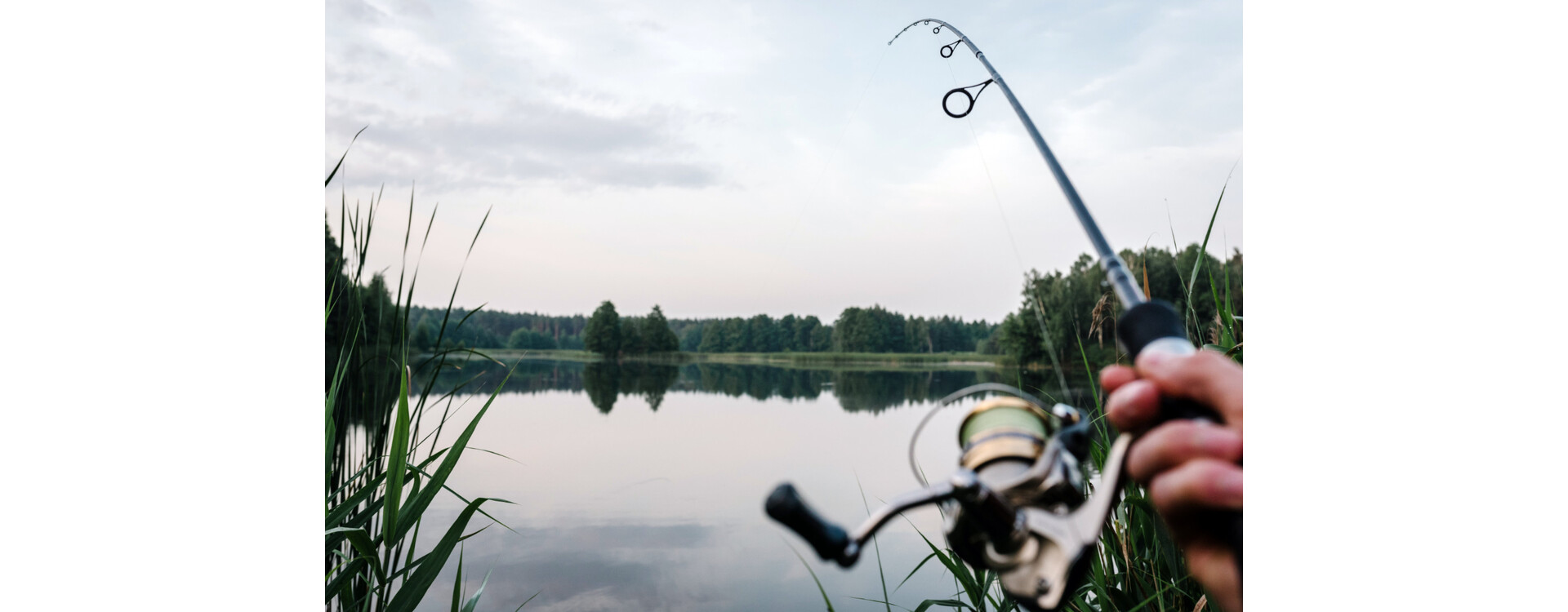
Understanding different fishing techniques allows you to choose the best angling methods for the fishing spot and fish species. For beginners and more advanced anglers, knowing the different fishing methods available is crucial to fishing success. Choosing the right technique not only impacts effectiveness but also comfort and satisfaction. Below, we present the most popular fishing methods – with descriptions, applications, and tips on what equipment to have on hand. Float fishing – the classic method of fishing with a rod One of the most well-known and beloved methods of fishing with a rod. It involves signaling bites with a float floating on the water's surface . This is an excellent option for beginners – it teaches patience and observation, and allows for fishing in both still and slow-flowing waters. Floating is particularly effective for roach, bream, crucian carp, and tench. Essential equipment includes a light rod, a good quality reel , appropriate fishing line , well-selected hooks , and a float . This technique allows for fishing from both the shore and a boat. Bottom fishing – a universal method of fishing Bottom fishing methods are extremely popular, especially among bank anglers. They involve placing bait on the bottom of the body of water, without using a float . Bites are monitored using bells, jig tips, or electronic indicators. These methods are effective for bream, carp, zander, and eel. A classic rig with an anti-tangle tube, weight, and hook is sufficient – hooks and braided line work well as leader material. Bottom fishing methods with a rod are easy to learn and extremely effective, even on rivers with strong currents. Feeder and method Feeder – efficiency in a modern version Among the more precise and effective fishing methods, feeder and method feeder deserve special attention. These techniques are derived from the classic bottom method, but significantly improve upon it. Both are excellent for bream, carp, tench, and crucian carp, and are valued for their ability to effectively spot-bait . Below, we describe what these fishing methods involve and how they differ: Feeder – uses a special bait feeder that releases bait right next to the hook during the cast. This attracts fish to the exact spot on the rig, significantly increasing catch rates; Method feeder – this involves shaping the bait and groundbait directly onto the feeder. The entire setup lands on the bottom in one compact form, quickly attracting fish to the target location. Both techniques require a certain amount of skill in casting accuracy and proper bait preparation. It's recommended to use strong fishing line, properly matched leaders, and a sturdy hook. Feeder and method feeder are excellent fishing methods for those who want to increase their fishing efficiency without sacrificing simplicity. Carp fishing – a method of fishing using a specialized set Carp fishing requires not only patience but also a specialized approach. Carp-style fishing methods combine knowledge of fish behavior with appropriate equipment. Rigs with boilies, hair leaders, and self-hooking weights are key. Carp fishing is also a long-term approach – often requiring several hours, or even days, spent on the water. Strong rods , durable reels , and professional braided lines are used. Carp fishing methods are incredibly satisfying , especially when a specimen weighs several kilograms. Spinning and Twitch – active fishing methods Anglers who value movement, dynamics, and direct contact with the fish often use active fishing methods such as spinning and twitching. Both techniques are incredibly exciting and effective for catching predators, and their greatest advantage is the ability to quickly react to fish behavior and explore large areas of the fishing spot. This is a great choice for those who dislike static sitting by the water and prefer an engaging form of fishing . Below, we explain exactly what these popular fishing methods involve: spinning – involves alternately casting and reeling in an artificial lure in such a way that it resembles the movement of a small fish. Used primarily for fishing for pike, zander, perch, or asp; Twitch – a spinning style where the lure is pulled with short, rapid jerks. This movement imitates an injured or weakened fish, effectively provoking predators to attack. Fishing with these techniques requires light, fast rods with adequate power reserves and carefully selected lures – including jerkbaits, wobblers, and twisters offered by a reputable fishing shop . Natural, yet unpredictable, lure movement is crucial – it triggers the fish's hunting instincts and determines the effectiveness of these angling methods. Drop Shot – a precise method for demanding users Derived from American techniques, the drop shot method is a precise predator fishing technique. The lure hangs above the bottom, with the weight below the hook. This allows the lure to move almost in place, perfectly provoking fish to strike . This technique is particularly effective for perch and zander, even in difficult conditions, such as when fish activity is low. A finesse rod, thin fishing lines or braided line, and a soft lure with a natural action are useful for this method. It's one of the most technical fishing methods, providing complete control over the lure. Castingowa – a modern alternative to spinning This technique uses a multiplier reel instead of a traditional reel. The casting method allows for very precise casts and complete control over large, heavy lures, especially when targeting large predators. Ideal for pike, zander, and catfish, it allows for precise targeting of specific spots in the water , such as underwater obstacles or shaded areas. Casting requires a special setup – a short, stiff rod and a well-adjusted reel with adjustable drags. This fishing method is for more experienced anglers seeking a new level of control, accuracy, and efficiency when fishing. Sea – methods of fishing with a rod in salt water Saltwater fishing methods differ significantly from those used on lakes or rivers – it's a distinct discipline, requiring appropriate preparation, equipment, and knowledge of the specific environment. Saltwater places higher demands on both the angler and their equipment, and the potential catches are often much larger than in inland waters. Here are the most commonly used methods for fishing with a rod in the sea: Surfcasting (from the beach) – involves long-distance casts from the shore, often in difficult wind conditions. It requires the use of very long rods, heavy lures, and durable, salt-resistant reels; Deep-sea fishing from a cutter – conducted from a boat in the open sea, often at great depths. Heavy lures, often metal and reinforced, are used, along with thick, abrasion-resistant leaders. Regardless of the technique, knowledge of currents, tides, and weather conditions is crucial, as they influence fishing safety and effectiveness. Saltwater fishing methods require not only good technique but also the right corrosion-resistant fishing tackle, making them an ideal challenge for experienced anglers seeking new thrills. Catfish and live bait – a classic for catching the largest predators Catfish fishing is a true challenge that combines passion with a high dose of adrenaline. It's one of the most demanding, yet also most rewarding, fishing methods. Catfish anglers must demonstrate not only knowledge but also physical strength and mental resilience – landing such a large fish requires precision and calm. Available techniques include both static and active fishing methods. Here are the two most commonly used: The catfish method encompasses various techniques, including stationary (e.g., bottom-based) and active methods, such as vertical jigging. In each case, the key is to use strong equipment – a powerful rod, durable braided line, and a sturdy leader; The live bait method involves using a live fish as bait. The lure's natural movement provokes the predator to attack and effectively attracts catfish from long distances. This is a classic method that has been popular for years. Both techniques require full responsibility for the fish—especially if you plan to release it. Catfish fishing methods require patience, proper preparation, and respect for the opponent's strength. This type of fishing tests character and provides unforgettable emotions. Distance and Ice Fishing – precision and seasonality Fishing isn't limited to popular summer fishing techniques – depending on the season and the specifics of the fishing spot, it's worth exploring less obvious, yet equally effective, methods of catching fish. These include long-distance fishing and ice fishing, which require exceptional precision, preparation, and adapting equipment to specific conditions . Both techniques are perfect examples of how fishing methods can differ significantly, despite their common goal. Here's what they involve: The match method allows for highly accurate fishing of fish located far from the shore. It requires the use of long, lightweight rods and precise reels, allowing for casts of 30–50 meters. Ideal for open waters where fish feed further from the shoreline. Ice fishing – a seasonal technique used in winter when waters are covered with ice. It involves fishing through drilled holes using short rods and sensitive rigs. It requires knowledge of fish behavior in low temperatures and appropriate equipment and clothing. Both techniques, though different, share a common denominator – they require patience and great precision. They prove that effective fishing methods can be used year-round , regardless of weather conditions. Simply choose the right fishing tackle and prepare for a completely different experience on the water. Summary As you can see, there are many different fishing methods, each with its own unique advantages and applications. From leisurely float fishing, to active spinning, to demanding feeder or sea fishing techniques – the range of possibilities is wide. The most important thing is to choose the fishing methods that best suit your preferences, skills, and fishing conditions. If you're looking to try new fishing methods, visit our fishing shop. You'll find a complete range of fishing equipment – from rods and reels, fishing lines and lures, to accessories essential for every trip. With Konger , your fishing methods will be even more effective – regardless of your skill level.